

Introduction
Ceramic products have been a part of human civilization for thousands of years. From everyday kitchenware to decorative home accents, ceramics combine functionality, durability, and artistic craftsmanship. But have you ever wondered how a simple piece of clay transforms into a beautiful ceramic product?
In this guide, we'll explore the complete ceramic-making process, from raw clay to the finished product.
1. Selecting and Preparing the Clay
Every ceramic product begins with carefully selected clay. The clay is cleaned and processed to remove impurities and achieve the desired consistency.
Proper clay preparation ensures strength, durability, and smooth finishing in the final product.

2. Shaping the Product
Once the clay is prepared, it is shaped into the desired form.
Common shaping methods include:
- Potter's wheel
- Hand molding
- Casting
- Press molding
This stage determines the basic shape of bowls, mugs, plates, oil dispensers, and decorative items.
3. Drying Process
After shaping, ceramic products are left to dry naturally.
Drying removes excess moisture and prepares the product for firing.
Proper drying is essential because uneven moisture can cause cracks during firing.
4. First Firing (Bisque Firing)
The dried products are placed inside a kiln and heated at high temperatures.
This initial firing strengthens the clay and prepares it for glazing.
5. Glazing and Decoration
Glazing adds:
- Smooth finish
- Attractive appearance
- Protection against moisture
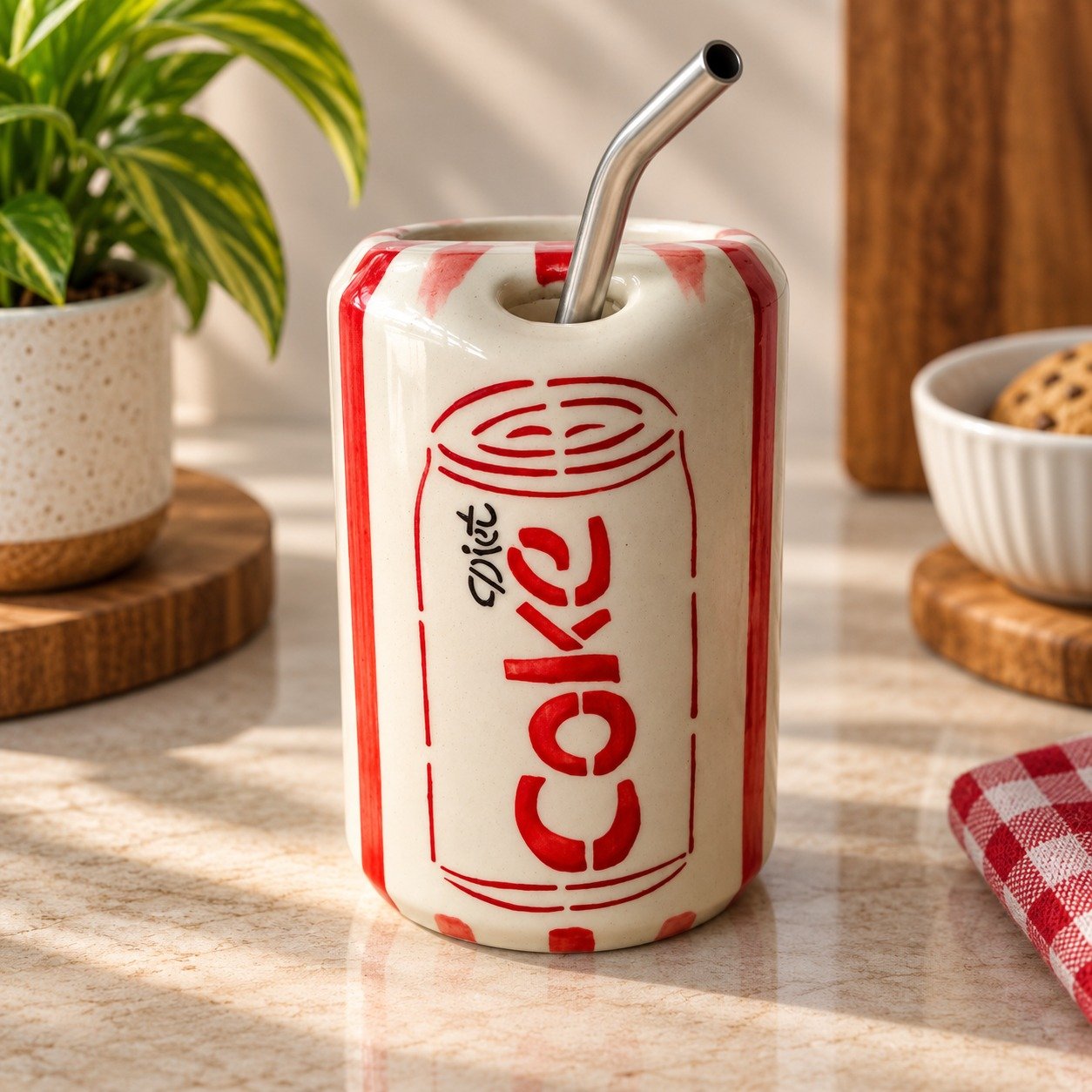
Many ceramic products are also hand-painted or decorated during this stage.

6. Final Firing
After glazing, products undergo a second firing at high temperatures.
This process permanently bonds the glaze to the ceramic surface and gives the product its final strength and appearance.
7. Quality Inspection
Finished products are carefully inspected for:
- Shape consistency
- Surface finish
- Glaze quality
- Structural integrity
Only products meeting quality standards proceed for packaging and use.
From Traditional Craftsmanship to Modern Ceramics
While modern manufacturing techniques have improved efficiency, many ceramic products still reflect traditional craftsmanship and artistic skills passed down through generations.
Rizasta's Inspiration from Ceramic Craftsmanship
At Rizasta, we admire the craftsmanship behind ceramic products and the dedication required to transform clay into functional works of art. Our ceramic collections are inspired by timeless designs, skilled artistry, and the rich heritage of Indian ceramics.
Explore more at:
Learn More About Ceramic Kitchenware
Interested in the benefits of ceramic products in daily life?
Read our guide:
10 Benefits of Using Ceramic Kitchenware for Modern Indian Homes
Conclusion
The journey from clay to finished ceramic product involves skill, patience, and craftsmanship. Every ceramic item reflects a combination of tradition, creativity, and functionality, making ceramics a timeless choice for homes around the world.
FAQs
What is the first step in making ceramic products?
The process begins with selecting and preparing the clay.
Why is drying important in ceramics?
Drying removes moisture and helps prevent cracks during firing.
What is glazing in ceramics?
Glazing is a coating applied to improve appearance and surface protection.
What is a kiln used for?
A kiln is a high-temperature furnace used to fire ceramic products.
Why are ceramic products popular?
They combine durability, functionality, and artistic beauty.
Comments
Post a Comment