
Introduction
Choosing the right dinnerware for everyday meals can sometimes be confusing. Ceramic and glass are both popular choices for plates, bowls, cups, and serving pieces, but they offer different looks, feels, and practical characteristics.
Ceramic dinnerware is available in a wide range of shapes, colours, patterns, and finishes, while glass dinnerware is often appreciated for its clean and transparent appearance.
So, ceramic vs glass dinnerware—which is better for everyday use?
The answer depends on your personal preferences, the type of meals you serve, your kitchen style, and how you plan to use and care for your dinnerware.
In this guide, we compare ceramic and glass dinnerware and explain the key differences to help you make a more informed choice for your home.
What Is Ceramic Dinnerware?
Ceramic dinnerware is made from ceramic materials that are shaped and fired at high temperatures. Depending on the type of ceramic, products can have different levels of strength, weight, finish, and appearance.
Ceramic plates, bowls, cups, and serving pieces are popular because they can combine everyday functionality with decorative designs.
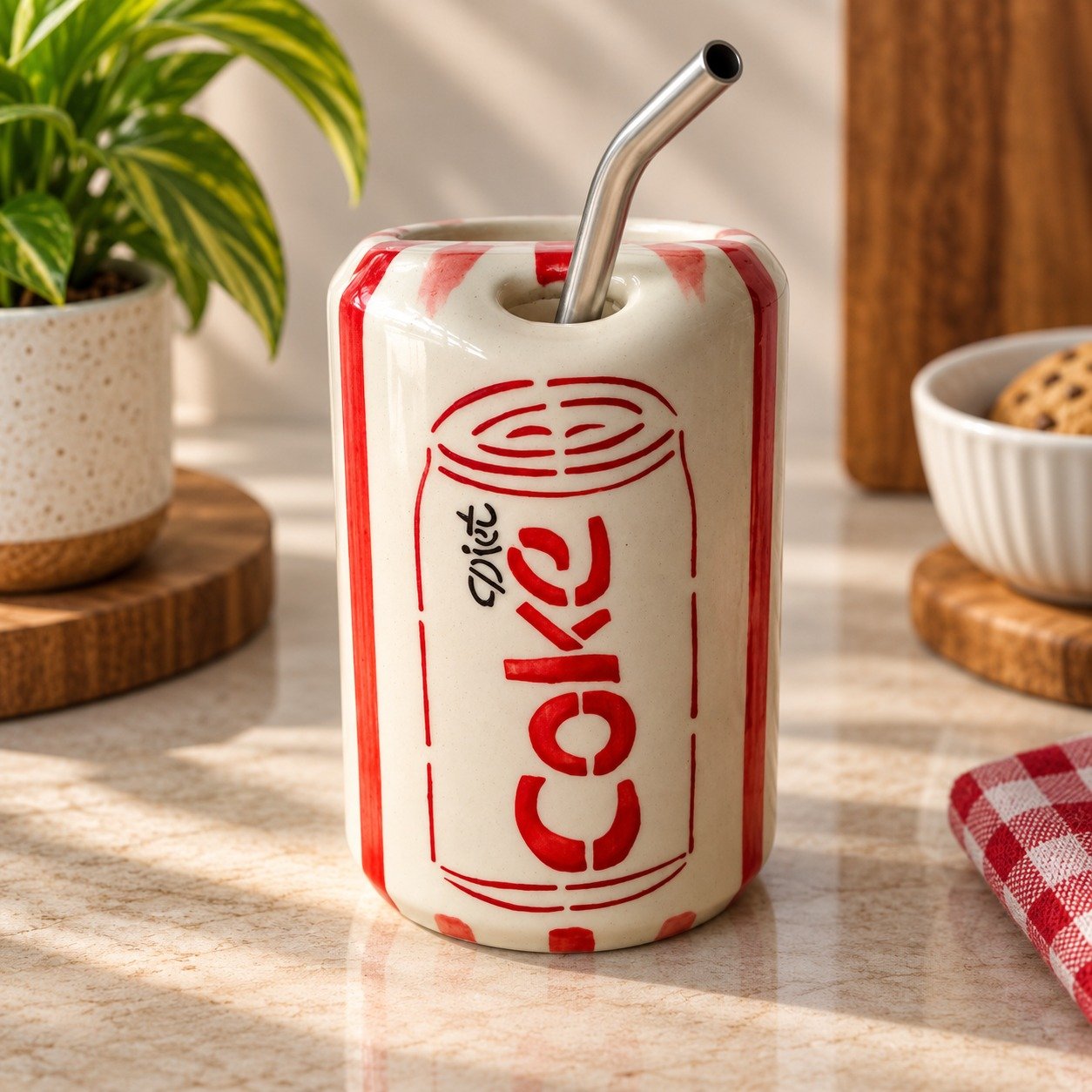
Another advantage of ceramic dinnerware is the variety of styles available. From simple minimalist designs to colourful patterns and handcrafted-looking finishes, ceramic products can complement many different kitchen and dining styles.

What Is Glass Dinnerware?
Glass dinnerware is made from glass and is commonly available in the form of plates, bowls, serving dishes, and drinking glasses.
One of its most recognizable characteristics is its transparent appearance. Clear glass can create a simple and clean look on a dining table and can work well with different table settings.
Glass dinnerware is also available in different styles, thicknesses, colours, and finishes, so the experience can vary considerably between products.
Ceramic vs Glass Dinnerware: Key Differences
Ceramic and glass dinnerware can both work well for everyday dining, but there are several factors worth considering before choosing between them.
| Feature | Ceramic | Glass |
|---|---|---|
| Appearance | Many designs, colours and finishes | Often clean and transparent |
| Design variety | Generally wide variety | Depends on product |
| Everyday dining | Commonly used | Commonly used |
| Weight | Depends on type and size | Depends on type and thickness |
| Cleaning | Depends on product finish | Generally straightforward |
| Chipping / breaking | Can chip or break | Can break or shatter |
| Style | Traditional, modern or decorative | Minimal and transparent |
Note: Actual performance can vary depending on the specific material, manufacturing process, thickness, finish, design, and manufacturer's care instructions.
Ceramic vs Glass: Which Is More Durable?
Durability depends on the specific product rather than simply whether it is ceramic or glass.
Ceramic dinnerware can chip or break if it is dropped or handled roughly. Glass dinnerware can also break, and some types of glass may be particularly vulnerable to impact.
Therefore, when comparing durability, it is better to consider the quality, thickness, construction, intended use, and care instructions of the individual product.
For everyday use, careful handling is important regardless of the material.
Which Looks Better on a Dining Table?
This is mostly a matter of personal preference.
Ceramic dinnerware offers a large variety of colours, patterns, shapes, and decorative finishes. This makes it easy to create a warm, colourful, traditional, or modern table setting.
Glass dinnerware usually provides a cleaner and more transparent visual appearance. Clear glass can also allow the food or table surface underneath to remain visually prominent.
If you enjoy decorative and expressive tableware, ceramic may offer more styling possibilities.
If you prefer a minimal and transparent look, glass may be more suitable.
Which Is Better for Everyday Meals?
There is no single answer that applies to every household.
Ceramic dinnerware can be a good choice for people who want a combination of practical everyday tableware and decorative design.
Glass dinnerware may appeal to people who prefer a simple, clean, and transparent appearance.
The best option depends on:
- Your preferred design
- The type of food you usually serve
- Your kitchen and dining style
- How the dinnerware will be stored
- How carefully it will be handled
- The care instructions provided with the product

When Does Ceramic Dinnerware Make More Sense?
Ceramic dinnerware can be a particularly attractive option when you want your tableware to contribute to the overall appearance of your dining space.
It may be suitable for people who enjoy:
- Decorative patterns
- Different colours and finishes
- Traditional-inspired designs
- Modern ceramic tableware
- Coordinated plates and bowls
- A warm and homely dining aesthetic
Ceramic also works well for people who like changing their table setting according to seasons, occasions, or personal style.
When Might Glass Dinnerware Be a Better Choice?
Glass dinnerware may be a better fit for someone who prefers a minimalist appearance or likes the transparency of glass.
It can also be useful when you want the food and table surface to remain visually prominent.
As with ceramic, the specific characteristics of a glass product can vary, so checking its intended use and care instructions is always recommended.
Ceramic vs Glass: Which Should You Choose?
If your priority is design variety, decorative appearance, and a warm dining aesthetic, ceramic dinnerware can be an excellent choice.
If your priority is a clean, transparent, minimalist appearance, glass dinnerware may be more appealing.
Rather than asking which material is universally better, consider which one better matches your lifestyle, dining habits, kitchen design, and personal preferences.
How to Choose Good Ceramic Dinnerware
If you decide that ceramic is right for your home, consider the following before buying:
1. Check the Size
Choose plate and bowl sizes according to your everyday meals and available storage space.
2. Consider the Design
Choose colours, patterns, and shapes that complement your existing kitchen and dining setup.
3. Check the Product Specifications
Look at the dimensions, capacity, pack size, material information, and care instructions before purchasing.
4. Think About Everyday Use
Consider how the product will be handled, stored, cleaned, and used in your kitchen.
5. Follow the Manufacturer's Care Instructions
Different ceramic products can have different finishes and components, so always follow the care instructions provided for the particular product.
Ceramic Dinnerware for a Stylish Everyday Kitchen
For many homes, dinnerware is more than something used to serve food. Plates, bowls, cups, and serving pieces can also become part of the overall kitchen and dining aesthetic.
Ceramic tableware allows homeowners to introduce colour, patterns, textures, and personality to their dining space while still keeping the setting practical for everyday meals.
This is one reason ceramic continues to be a popular choice for people looking to combine functionality and visual appeal in their kitchen.
Rizasta Ceramic Home & Kitchenware
At Rizasta, we focus on ceramic home and kitchenware designed to bring an elegant and distinctive touch to everyday spaces.
Our range includes ceramic products for the kitchen, dining table, and home, with designs intended to combine everyday functionality with an attractive aesthetic.
To explore Rizasta's latest products and collections, visit the official Rizasta website:
Key Takeaways
When comparing ceramic and glass dinnerware:
- Both can be suitable for everyday dining.
- Ceramic offers a wide variety of colours, patterns, shapes, and finishes.
- Glass offers a clean and often transparent appearance.
- Durability depends heavily on the specific product and how it is handled.
- Neither material should automatically be considered better for every household.
- Product specifications and care instructions should always be checked before purchase.
- Your personal style and everyday requirements should guide your final choice.
Frequently Asked Questions
Is ceramic better than glass for everyday use?
Neither is universally better. Ceramic and glass can both work well for everyday dining, depending on the specific product, intended use, care requirements, and personal preference.
Which is more durable, ceramic or glass?
Durability depends on the type, quality, thickness, construction, and handling of the individual product. Both ceramic and glass dinnerware can chip or break when dropped or handled roughly.
Is ceramic dinnerware good for daily use?
Yes, many ceramic plates, bowls, and cups are designed for everyday dining. Always check the product's specific care and usage instructions.
Is glass dinnerware good for everyday meals?
Glass dinnerware can be suitable for everyday meals, particularly for people who prefer a clean and transparent appearance. The suitability depends on the particular product.
Which looks better, ceramic or glass dinnerware?
This is a matter of personal preference. Ceramic offers more opportunities for decorative colours and patterns, while glass often provides a minimalist transparent appearance.
What should I consider before buying ceramic dinnerware?
Consider the size, design, material, finish, intended use, pack size, care instructions, and whether the product suits your everyday dining needs.
Conclusion
Ceramic and glass dinnerware both have their own advantages, and the right choice ultimately depends on what you expect from your tableware.
Ceramic can be a great option for people who value design variety, decorative finishes, and a warm dining aesthetic, while glass can appeal to those who prefer a simple and transparent look.
Instead of choosing based only on the material, consider the product's construction, intended use, care instructions, design, and how well it fits your everyday lifestyle.
For a home where everyday functionality and attractive design matter equally, ceramic dinnerware can be a versatile and stylish choice.
Comments
Post a Comment