
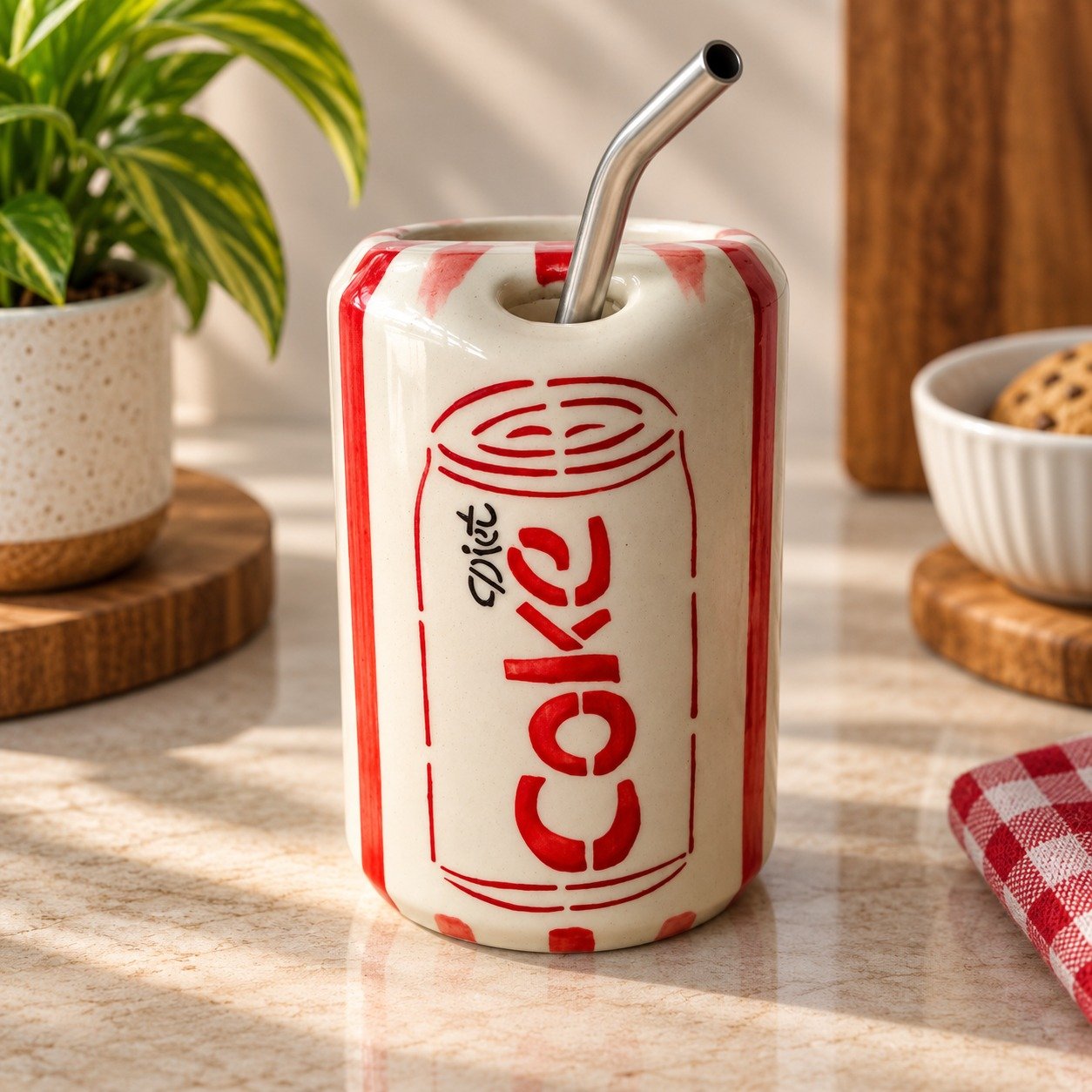
How to Clean and Care for Ceramic Kitchenware: Easy Everyday Tips
Ceramic kitchenware is popular in modern Indian homes because it combines everyday functionality with beautiful designs and finishes. From ceramic plates and bowls to cups, serving pieces and other kitchen essentials, proper cleaning and care can help maintain their appearance and usability for a longer time.
The good news is that caring for ceramic kitchenware does not have to be complicated. With a few simple cleaning, drying and storage habits, you can keep your ceramic products looking clean and well maintained.
In this guide, we will explain how to clean ceramic kitchenware, how to remove common food stains, how to dry ceramic products properly, and how to store ceramic plates, bowls and cups safely.

How to Clean Ceramic Kitchenware
For everyday cleaning, ceramic kitchenware can usually be cleaned with warm water, a mild dishwashing liquid and a soft sponge.
Step 1: Remove Food Residue
Remove leftover food from the plate, bowl, cup or other ceramic item before washing.
If food has dried onto the surface, allow the item to soak in water for a short time. This can help loosen the residue and make cleaning easier.
Step 2: Use a Soft Sponge
Apply a small amount of mild dishwashing liquid to a soft sponge and gently clean the ceramic surface.
Avoid using excessive force, especially around printed designs, decorative details or edges.
Step 3: Rinse Thoroughly
Rinse the ceramic product under clean running water until all soap residue has been removed.
Step 4: Dry Properly
After washing, allow the product to dry completely or wipe it gently with a clean, soft kitchen towel before storing it.
Proper drying helps keep the surface clean and ready for its next use.

How to Remove Stains From Ceramic Kitchenware
Ceramic products can sometimes develop visible marks from foods, sauces, tea or coffee.
For normal stains, start with gentle cleaning rather than aggressive scrubbing.
Soak the ceramic item in warm water and then clean it with a soft sponge and mild dishwashing liquid.
For stubborn marks, repeat the cleaning process instead of immediately using abrasive materials.
The exact cleaning method can vary depending on the ceramic product, glaze, print and finish, so it is always a good idea to follow the care instructions provided with the product.
How to Care for Ceramic Plates and Bowls
Ceramic plates and bowls are commonly used for everyday meals, serving food and special occasions. A few simple habits can help keep them in good condition.
Avoid Sudden Temperature Changes
Ceramic products can be affected by sudden and extreme temperature changes. Avoid moving a very hot ceramic item directly into very cold water.
Allow the item to cool gradually before washing whenever practical.
Handle With Care
Although ceramic kitchenware is made for regular use, it can chip or break if dropped or hit against hard surfaces.
Handle plates, bowls and other ceramic products carefully during washing and storage.
Do Not Stack Excessively
When stacking ceramic plates or bowls, avoid creating unnecessary pressure or placing too many heavy items together.
Use careful stacking to reduce the possibility of scratches, chips or accidental breakage.
How to Store Ceramic Kitchenware
Proper storage is another important part of ceramic care.
Keep ceramic plates, bowls and cups in a clean and dry cabinet or shelf. Arrange heavier items securely and avoid unstable stacks.
Cups and decorative ceramic pieces should have enough space around them so that they do not continuously knock against other products.
If you have patterned or decorative ceramic kitchenware, storing it carefully can also help preserve its appearance.

.
How to Keep Ceramic Kitchenware Looking Good
Good ceramic care is mainly about using gentle and consistent cleaning habits.
Here are some simple practices to remember:
- Clean ceramic products after use whenever possible.
- Use a soft sponge for regular cleaning.
- Avoid unnecessarily harsh scrubbing.
- Rinse away all soap residue.
- Dry products properly before storage.
- Store ceramic items securely.
- Handle ceramic products carefully to avoid chips and breakage.
- Follow the manufacturer's care instructions for specialized finishes or products.
These simple habits can help maintain the appearance and everyday usability of ceramic kitchenware.
Is Ceramic Kitchenware Easy to Maintain?
Yes, ceramic kitchenware is generally straightforward to maintain when cleaned and handled properly.
The maintenance requirements can vary depending on the product's glaze, finish, decoration and intended use. Therefore, the safest approach is to follow the specific care instructions supplied with each product.
For everyday ceramic plates, bowls, cups and serving pieces, gentle cleaning and proper storage are important parts of regular care.
Ceramic Kitchenware Care: Quick Guide
| Care Tip | What to Do |
|---|---|
| Daily cleaning | Use mild dishwashing liquid and a soft sponge |
| Food residue | Soak briefly before cleaning if necessary |
| Stains | Clean gently and repeat rather than scrubbing aggressively |
| Drying | Dry completely before storage |
| Storage | Keep products securely arranged |
| Handling | Avoid dropping or hitting ceramic against hard surfaces |
| Temperature | Avoid sudden extreme temperature changes |
| Decoration | Take extra care with printed or decorative finishes |
Ceramic Care and Everyday Kitchen Use
Choosing ceramic kitchenware is not only about the design. Proper care is equally important for maintaining its appearance and making everyday use more enjoyable.
Whether you use ceramic plates for family meals, bowls for serving food, cups for tea and coffee, or decorative kitchenware to add character to your space, simple cleaning and storage habits can make a noticeable difference.
At Rizasta, we focus on ceramic home and kitchenware designed to bring a balance of functionality and style to everyday spaces.
You can explore Rizasta's ceramic home and kitchenware collection on the official Rizasta website.
Frequently Asked Questions
How do you clean ceramic kitchenware?
Use warm water, mild dishwashing liquid and a soft sponge for regular cleaning. Rinse thoroughly and dry the product before storing it.
Can ceramic plates be washed with a sponge?
Yes. A soft sponge is suitable for regular cleaning of many ceramic plates and dishes. Avoid unnecessarily abrasive scrubbing, especially on decorated surfaces.
How do you remove stains from ceramic bowls?
Start by soaking the bowl in warm water and then gently clean it with mild dishwashing liquid and a soft sponge. Repeat the process if necessary.
How should ceramic plates be stored?
Store ceramic plates on a stable, clean and dry shelf or cabinet. Avoid unstable stacks and handle the plates carefully to reduce the risk of chips or breakage.
How do you take care of ceramic cups?
Clean cups regularly with a soft sponge and mild dishwashing liquid. Rinse thoroughly, dry them properly and store them where they will not knock against other ceramic items.
Does ceramic kitchenware need special care?
Most everyday ceramic kitchenware can be maintained with simple cleaning and careful handling. However, care requirements may vary according to the product's glaze, finish and decoration.
Final Thoughts
Ceramic kitchenware can be both practical and beautiful for everyday homes. Keeping it clean does not require a complicated routine.
Gentle cleaning, proper drying, careful handling and organized storage are the key habits for maintaining ceramic kitchenware.
With the right care, your ceramic plates, bowls, cups and other kitchenware can continue to look attractive and remain useful as part of your everyday kitchen.
For ceramic home and kitchenware from Rizasta, visit the Rizasta official website.
Comments
Post a Comment